Yamalo-Nenets Autonomous Okrug Experience: A Regional System for Automated Validation of Microbiology Reports and Real-Time AMR surveillance
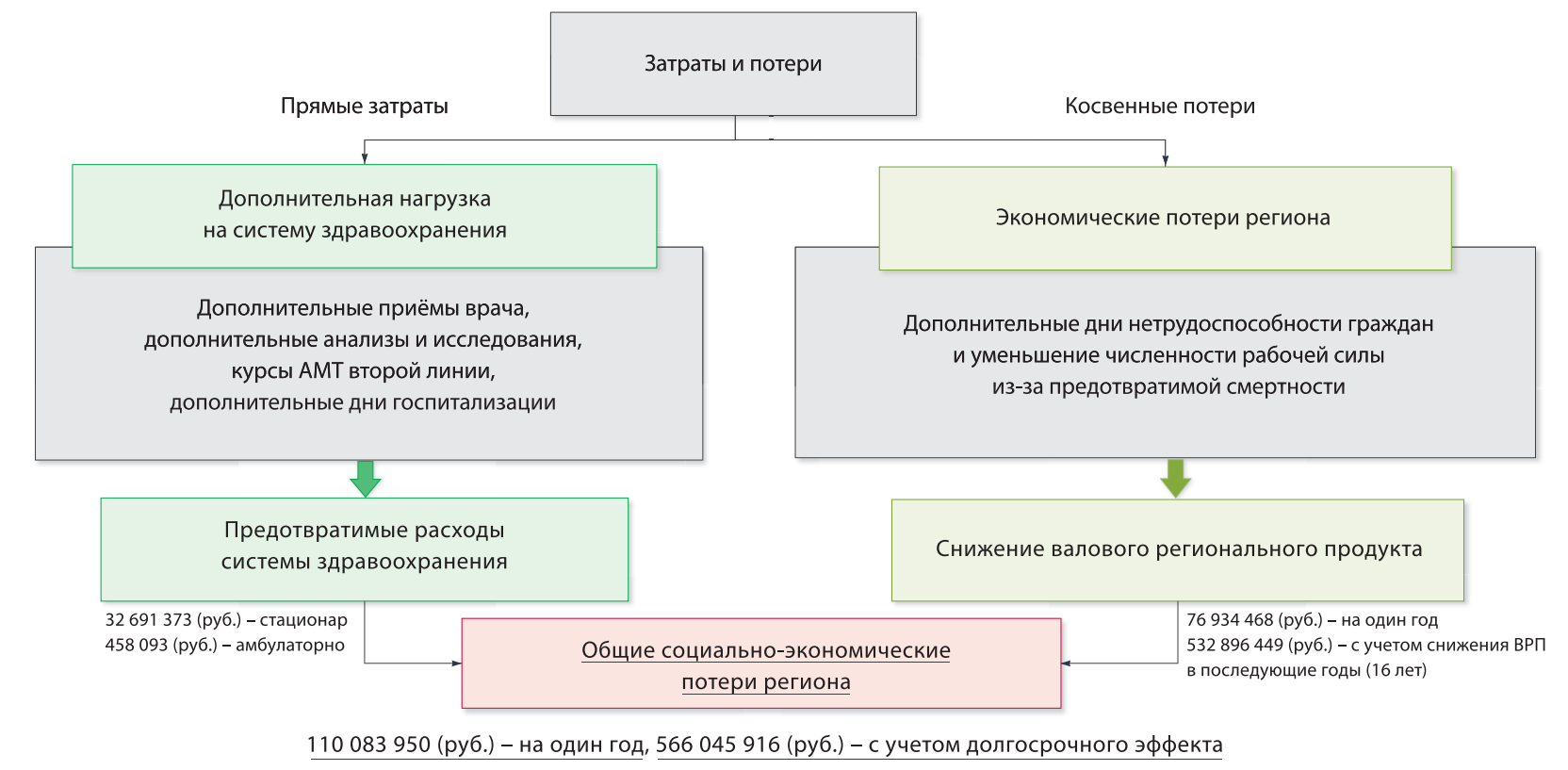
Table of Contents
General information about the publication
Title: “A Regional System for Automated Validation of Microbiology Reports and Antimicrobial Resistance Surveillance: The Experience of the Yamalo-Nenets Autonomous Okrug”
Authors: Kutlovskaya E.N., Vinogradova A.G., Lyutova E.Yu., Belorus O.V., Bikbulatova L.N., Menshakov V.V., Zakharova M.G., Novikov S.V., Kuzmenkov A.Yu., and the AMR Surveillance Working Group
Journal: Clinical Microbiology and Antimicrobial Chemotherapy (CMAC), 2025, Vol. 27, No. 4, pp. 494–505
DOI: 10.36488/cmac.2025.4.494-505
This publication describes a practical case of building a single centralized regional system that solves two tasks at once:
- automatically validates microbiology reports,
- provides continuous antimicrobial resistance (AMR) surveillance in near real time.
The key idea of this case is to transform fragmented laboratory data into a single validated digital data stream suitable for clinical practice, epidemiological analytics, and managerial decision-making at the regional level.
Download materials
- Article PDF:
⬇️ Download the article (PDF)
Citation
Kutlovskaya E.N., Vinogradova A.G., Lyutova E.Yu., Belorus O.V., Bikbulatova L.N., Menshakov V.V., Zakharova M.G., Novikov S.V., Kuzmenkov A.Yu., and the AMR Surveillance Working Group. A Regional System for Automated Validation of Microbiology Reports and Antimicrobial Resistance Surveillance: The Experience of the Yamalo-Nenets Autonomous Okrug. CMAC. 2025;27(4):494–505. DOI: 10.36488/cmac.2025.4.494-505
Why this matters
There are several challenges that need to be addressed when building a regional AMR surveillance system:
- microbiology data exist, but they are stored in fragmented systems;
- validation of antibiotic susceptibility test results still depends heavily on manual work;
- different organizations use different reference directories and interpretation criteria;
- consolidated analytics are delayed or generated only episodically;
- clinicians receive the result, but do not always receive comments important for interpretation and clinical use.
The authors show that these limitations become even more pronounced at the regional level: interpretation errors and delays in data transfer affect not only an individual patient, but also the overall quality of the epidemiological picture and, consequently, the validity of initial empirical therapy, local protocols, and managerial decisions.
In the YNAO case, the key outcome was the transition from selective and partially manual surveillance to a single regional digital infrastructure, where microbiology reports are validated automatically and AMR analytics become available in real time.
Objective, design, and what exactly was implemented
Objective: to create and evaluate the effectiveness of a comprehensive system for automated validation of microbiology reports and real-time AMR surveillance at the regional level.
Study period: October 2023 – June 2025.
What was done (step by step):
- A preliminary assessment of the existing system and preparatory activities were carried out.
- A multidisciplinary working group was formed: the Medical Information and Analytical Center (MIAC), microbiologists, epidemiologists, clinical pharmacologists, and IT teams from medical organizations.
- Reference directories and metadata were standardized: microorganisms, antimicrobial agents, susceptibility testing methods, clinical specimens, hospital departments, and additional parameters for surveillance.
- A centralized platform was deployed on the servers of the regional MIAC.
- User training was conducted.
- The system was launched into routine operation, and 5 of the region’s largest medical organizations were connected.
What this system actually represents in this case
This is not just “a reporting service” and not only “decision support for microbiologists.” In the article, the system is described as a single centralized regional infrastructure that provides:
- centralized expert review and quality control of microbiology reports;
- automated interpretation of antibiotic susceptibility test results according to current criteria;
- access to verified results through the patient’s electronic medical record;
- a continuous regional AMR registry;
- analytical reports for both local and regional levels;
- an evidence base for subsequent managerial decisions in regional healthcare.
In essence, this is a transition from individual laboratory results to a regional system for clinical and organizational decision-making based on validated data.
What implementation looked like step by step
1) Preparing the organizational model
The preparatory phase was devoted not only to IT deployment, but also to organizational setup. The authors emphasize that a working group was formed first and common rules for data handling were agreed upon.
This is an important point: successful implementation started not with the interface, but with the standardization of entities, without which regional analytics would not have been reliable.
2) Standardization of reference directories and metadata
For sustainable surveillance, it was necessary to agree in advance on unified nomenclatures for:
- microorganisms,
- antimicrobial agents,
- susceptibility testing methods,
- clinical specimens,
- hospital departments,
- additional attributes required for assigning susceptibility categories and further analysis.
In practice, it is exactly this layer that makes data comparable across multiple medical organizations.
3) Centralized platform deployment
The platform was deployed within the YNAO MIAC, and integration with laboratory systems in medical organizations was implemented through secure communication channels.
This made it possible to move critical functions – validation, consolidation, and analytics – to the regional level and avoid fragmentation.
4) User training and go-live
After deployment, the training phase began, followed by full-scale operation. At the first stage, 5 of the largest medical organizations in YNAO were connected, ensuring 100% coverage of the institutions planned for this phase of implementation.
What changed at the system level: before and after
The article presents a comparative description of the regional system before and after implementation. In essence, the changes can be summarized in several key blocks.
Before implementation
- responsible personnel were often absent or appointed only formally;
- there was no unified regional surveillance scheme;
- reference directories for microorganisms and antimicrobials were fragmented;
- data collection was episodic and manual;
- consolidated data were not available on a continuous basis;
- local access by medical organizations to their own AMR epidemiology was limited;
- report validation was performed manually;
- different, sometimes outdated interpretation criteria were used;
- coverage was selective and did not provide a representative regional picture.
After implementation
- each connected organization had designated responsible personnel with regulated functions;
- a unified regional surveillance scheme was introduced;
- standardized and centrally maintained reference directories are now used;
- continuous data collection was ensured;
- consolidated AMR data became available 24/7 through a secure web portal;
- medical organizations gained access to local and regional analytical reports;
- unified up-to-date interpretation criteria were implemented;
- automated report validation was introduced;
- system coverage became regional within the connected institutions.
The key element of the case: automated validation of microbiology reports
This component is what distinguishes the described system from a simple “antibiogram registry.”
The platform automatically checks antibiotic susceptibility test results for compliance with current EUCAST criteria and applies expert rules. Automated checks include:
- detection of rare phenotypes;
- consideration of expected resistance;
- susceptibility adjustment based on an indicator antibiotic;
- extrapolation of results;
- messages about unclear therapeutic efficacy;
- warnings about the risk of resistance development;
- limitations on the use of results.
The authors divide the messages into two levels:
- Microbiological level – signals that are important for the laboratory service and require additional review of the result.
- Therapeutic level – messages that help the physician when choosing antimicrobial therapy.
This approach is especially important because the system does not merely assign S/I/R categories, but adds an interpretive layer that makes the report more clinically useful.
Implementation results: what actually changed
1) Full coverage of the target implementation stage
After launch, the system covered 100% of the planned medical organizations within the first phase of the project. This is important not only as an organizational indicator, but also as a prerequisite for building a sustainable regional AMR registry.
2) Scale of processed data
During the evaluated period, the system processed:
- 11,728 microbiology reports;
- 12,216 isolates.
For a regional project, this is no longer a pilot sample, but an operating environment on which both clinical support and epidemiological analytics can be built.
3) Expert messages became part of routine workflow
In 77.2% of reports, the system generated expert messages.
The median was 3 messages per test.
This means that validation ceased to be a “rare manual intervention” and became an embedded function of the digital process.
4) The system identifies clinically significant risks
In 19.3% of cases, high- and moderate-risk messages were identified, indicating a potential therapy error.
From a practical perspective, this is one of the strongest aspects of the case: the system not only aggregates data, but also helps detect situations where a therapeutic decision may be unsafe or ineffective.
How physicians perceived the new reports
Another important result of the article is the assessment of how suitable the new microbiology report format is for real clinical practice.
According to a survey of 53 specialists:
- for 66.0%, reading the new report forms caused no difficulties;
- 86.8% regularly read the comments in the reports;
- 96.2% considered these comments useful for selecting antimicrobial therapy.
The authors further show that:
- for more than 60% of specialists, the difficulty of reading the new form was low;
- 50.9% reported positive qualitative changes in the report form;
- more than 50% indicated an increase in the speed and quality of microbiological testing;
- some respondents still reported difficulties in perception, indicating the need for additional user training and support.
This is an important practical conclusion: even a strong digital system requires not only technical implementation, but also work on the clinician user experience.
What regional AMR surveillance made possible
Centralized data collection made it possible to build a regional AMR registry in near real time.
The authors specifically note three effects:
- Continuous consolidation of data from 100% of connected inpatient facilities.
- Real-time analysis instead of manual processing with a 3–5 day delay.
- Trend visualization on interactive dashboards through the MIAC web interface.
This matters because surveillance ceases to be a retrospective report generated “on request” and becomes a continuously updated foundation for managerial and clinical decisions.
What the regional data show
During the study period, the system processed information on 12,216 isolates and made it possible to assess the structure of infectious syndromes and pathogens.
By site of infection
- genitourinary infections – about 30.85%;
- respiratory infections – 15.05%;
- skin and soft tissue infections – 6.35%.
By pathogen structure
- Staphylococcus aureus – 19.72%;
- Escherichia coli – 12.21%;
- Klebsiella pneumoniae – 8.28%;
- Enterococcus faecalis – 7.49%;
- Pseudomonas aeruginosa – 3.33%.
The authors specifically emphasize that the pathogen profile in YNAO differs from the available national data. This is one of the main arguments in favor of local and regional surveillance: country-averaged indicators are not always suitable for empirical therapy in a specific territory.
Economic effect: why this matters for management
The article includes a separate assessment of the economic effectiveness of the system. The logic of the model is as follows:
- the accuracy of a microbiology report affects the probability of error in antimicrobial prescribing;
- such errors lead to clinical and economic consequences;
- reducing these errors decreases both direct healthcare costs and indirect socioeconomic losses.
According to the authors’ calculations, the system demonstrated:
- reduction in direct inpatient-care costs – RUB 32,691,373 per year;
- reduction in direct outpatient-care costs – RUB 458,093 per year;
- reduction in inpatient socioeconomic losses – RUB 57,864,499 per year;
- reduction in outpatient socioeconomic losses – RUB 19,069,970 per year.
Final indicators:
- total annual effect – RUB 110,083,935;
- total effect with discounting over 16 years of life lost – RUB 566,045,916;
- total effect based on the value of life (CEMI RAS) – RUB 486,733,935;
- up to 14 deaths potentially prevented per year.
Even under a conservative interpretation of the model, the managerial conclusion is clear: digital validation and regional surveillance are not only about data quality and therapy safety, but also about a measurable economic effect.
Before and after in one table: what changed in the processes
| Area | What it was like before | What it became after implementation | Practical effect |
|---|---|---|---|
| Surveillance organization | Responsible staff were absent or appointed only formally | Each organization received responsible staff with clearly defined authority | Surveillance stopped being “nobody’s task” |
| Reference directories and surveillance scheme | Fragmented reference systems, no unified scheme | Unified regional reference directories and an approved surveillance scheme were introduced | Data comparability across organizations |
| Data collection | Episodic, manual, with risk of data loss | Continuous collection from connected laboratories | Stable data flow for analytics |
| Consolidated data | Summaries were generated manually and on request | Regional data are available 24/7 via a secure web portal | Rapid access to the current AMR picture |
| Access for medical organizations | No prompt access to local epidemiology | Authorized access to local and regional analytical reports | Ability to rely on their own data |
| Interpretation criteria | Different or outdated CLSI/EUCAST versions | Unified up-to-date criteria for all connected organizations | Standardized interpretation |
| Report validation | Manual review by a microbiologist | Automated validation and application of expert rules | Reduced variability and risk of errors |
| Analytics | Virtually absent or very limited | Pathogen structure, resistance patterns, filtering by parameters, dashboards | Transition from reporting to operational analytics |
| Clinical support | The report form provided limited interpretation | Embedded expert comments and risk signals | Support for physicians when choosing therapy |
| Management level | No complete representative regional picture | A unified evidence-based AMR dataset | A foundation for managerial decisions and scaling |
The main practical takeaway
The meaning of this case can be summarized as follows:
Regional AMR surveillance becomes truly operational only when it is based not simply on laboratory results, but on validated and standardized microbiology reports.
Automated interpretation, unified reference directories, expert comments, and continuous data consolidation transform microbiology from a set of fragmented tests into a regional system for clinical support and therapy quality management.
What matters for managers, department heads, and implementation teams
This case highlights three fundamental points.
1) Implementation starts not with the interface, but with data standardization
Without unified reference directories, interpretation rules, and regulations, even a good analytical platform will not provide a reliable picture.
2) Automated validation is not only about the laboratory
It affects therapy safety, the physician’s clinical decision, the quality of epidemiological surveillance, and the economics of the healthcare system.
3) The regional level creates a new class of impact
When data are collected centrally and become available locally and regionally, it becomes possible at the same time to:
- support the physician at the bedside,
- see trends at the organizational level,
- see the regional picture,
- make managerial decisions based on validated data.
Conclusion: the YNAO case demonstrates that automated validation of microbiology reports and regional AMR surveillance can be implemented as a single digital system with clinical, organizational, and economic impact.
Related materials
Local AMR Surveillance: Comparing Guidelines
A review from CMAC (2025) compares WHO GLASS, CLSI M39, ESCMID, AMRcloud guidance and Russian MR 3.1.0346-24–highlighting key contradictions that matter for local antibiograms, data quality, and stewardship decisions.
OpenNMRC LRC: A Closed Digital AMR Surveillance Loop
Review of a CMAC (2025) publication: implementation of an integrated digital loop (LIS–ABioGram–HIS), automated antibiogram validation, continuous AMR surveillance, and the impact of expert comments on clinical decision-making.
OpenABioGram system
Validation of susceptibility results for isolated organisms, analysis of local etiology and AMR, and assessment of antimicrobial agent and regimen activity.
Open